We used to go out and look for what we wanted. Today, we expect it to come to us.
A purchase, a movie, a payment. So much of our daily lives can now be handled through a screen.
But beyond technology, something far more important has happened: the way we consume has
changed.
And so have our expectations.
Today, we don’t judge an experience by the product alone. We also care about how easy it is to find,
purchase, and receive it.
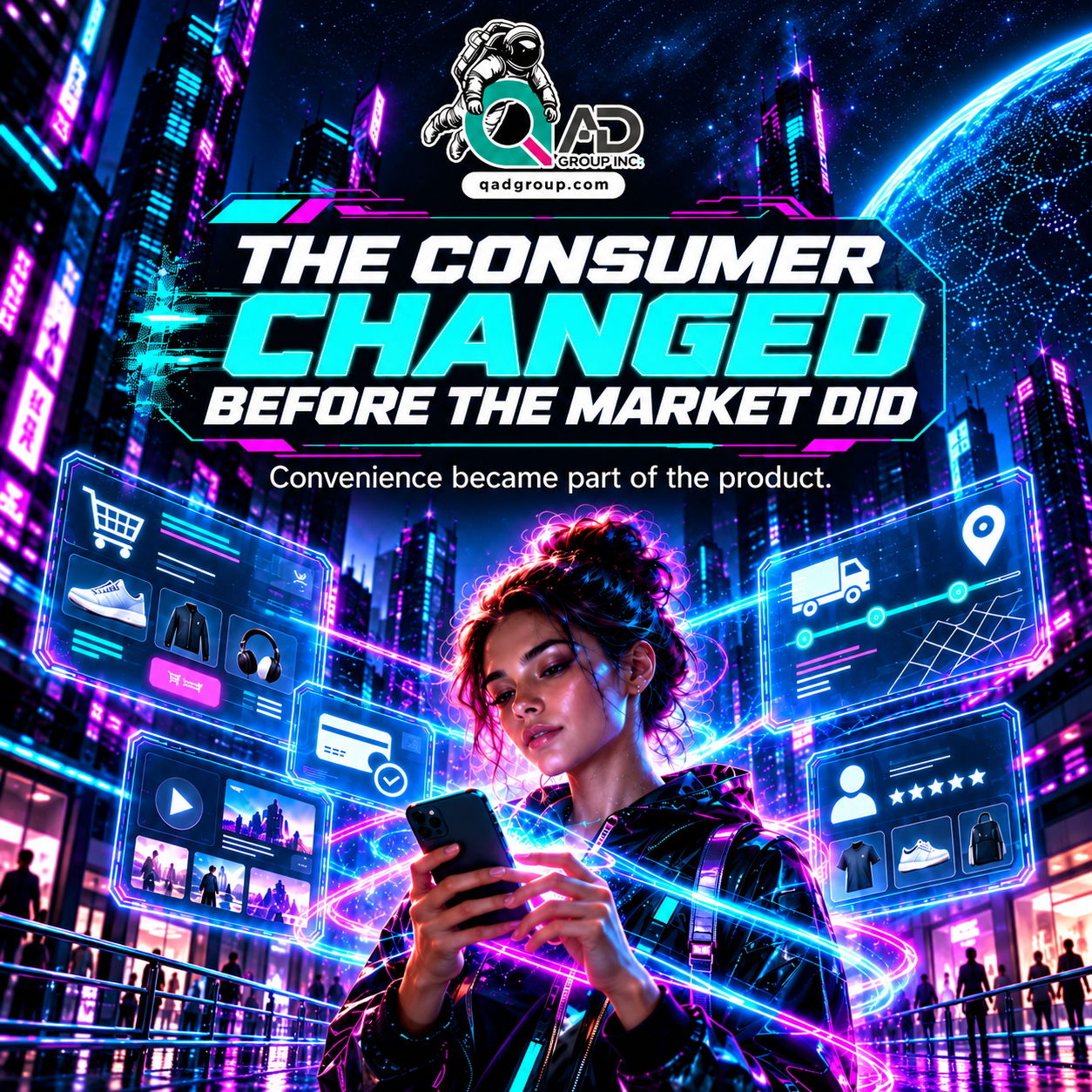
Convenience is no longer a bonus. It’s part of the product.
Amazon recognized the value of simplifying shopping through personalized recommendations and
increasingly seamless purchasing experiences. Mercado Libre evolved from a marketplace into an
ecosystem that brings together commerce, payments, and logistics.
They didn’t grow simply because the internet grew. They grew because they learned how to
remove friction.
And one of the clearest examples comes from entertainment.
For years, watching a movie meant visiting a store, choosing from what was available, and returning it
afterward. Blockbuster built an enormous business around that habit.
Until the habit changed.
Netflix started by delivering DVDs to people’s homes before transforming the experience through
streaming. There was no longer a need to leave the house, return a movie, or wait to access
entertainment.
Consumers stopped adapting to the service. The service started adapting to them.
Blockbuster tried to evolve, but its physical infrastructure, financial obligations, and the speed of
market change made that transition dificult.
And that’s where the lesson goes far beyond entertainment.
Digital transformation doesn’t start with technology. It starts when expectations change.
Digital platforms have reshaped our relationship with stores, schedules, and waiting times. Today,
every seamless experience raises the standard against which we judge the next one.
That’s why brands no longer compete only with others in their category. They also compete with the
best experience consumers have already had.When we can shop in seconds, lengthy processes feel unnecessary. When we can track an order in
real time, we expect transparency. And when content is available instantly, waiting starts to feel
outdated.
For businesses, this changes the question.
It’s no longer just about which technology to adopt. It’s about understanding what has changed in
consumers’ lives and how brands need to evolve in response.
Because Amazon, Mercado Libre, and Netflix demonstrate something essential: innovation isn’t
simply about taking a business online.
It’s about recognizing that when the way we live changes, so does the way we choose.
Is your brand adapting to what consumers expect today, or still operating around what they accepted yesterday?